
Resources for Women’s History Month by Nancy Foasberg, Librarian for Women and Gender Studies
The QC Library celebrates Women’s History Month in March by gathering and presenting resources related to a specific aspect of women’s history. focused on women’s suffrage and voting rights, a theme designated by the .
The guide features resources related to the history of reproductive rights. While not only women need access to reproductive health care, the history of reproductive rights is essential to women’s history.
We also acknowledge the reproductive rights of transgender people and plan to highlight resources related to transgender health care in a future guide.
The guide covers a broad range of issues related to reproductive rights, including abortion, birth control, sex education, childbirth practices, and coercive “population control.”

Documentary film:(2016). In Chile, where abortion remains illegal and punishable by imprisonment, we follow a group of young activists who put their lives at risk to run an underground abortion hotline.
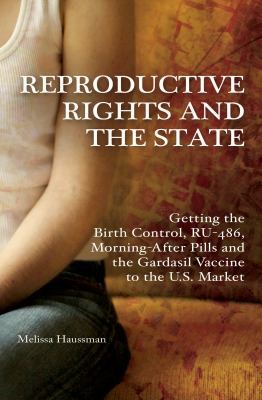
Book: (2013). Reproductive Rights and the State: Getting the Birth Control, RU-486, and Morning-After Pills and the Gardasil Vaccine to the U.S. Market tackles a subject that remains controversial more than 60 years after “the pill”; was approved for use in the United States. The first book to examine the politicization of the FDA approval process for reproductive drugs, this study maps the hard-fought battles over the four major drugs currently on the U.S. market.
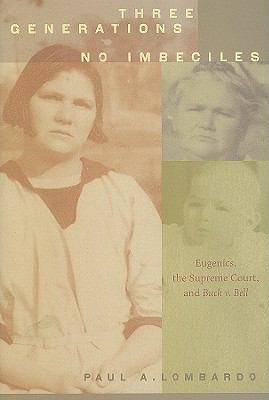
Book: (2010). “Three generations of imbeciles are enough.” Few lines from Supreme Court opinions are as memorable as this declaration by Justice Oliver Wendell Holmes Jr. in the landmark 1927 case Buck v. Bell. The ruling allowed states to forcibly sterilize residents in order to prevent “feebleminded and socially inadequate” people from having children. Though Buck set the stage for more than sixty thousand involuntary sterilizations in the United States and was cited at the Nuremberg trials in defense of Nazi sterilization experiments, it has never been overturned.
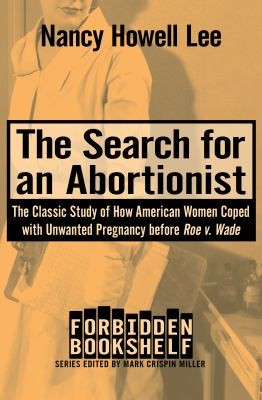
Book: (2014, reprinted from 1973). This eye-opening look at the abortion process prior to the Supreme Court’s landmark Roe v. Wade decision of 1973 is now more relevant than ever, with a new introduction by the author revisiting history that is still salient half a century later.
Primary Source Collection: . A list of significant cases of national prominence over the years. There are cases involving the reproductive rights of individuals, including the right to use contraception, plan a family, rear children, and gain access to reproductive healthcare. This site links to the full text of the U.S. Supreme Court decisions.